“Our overarching mission is to make game development a marketable, high-value career path in Africa"
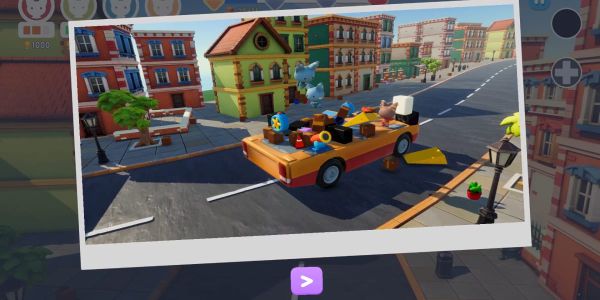
The Kenyan studio is working on Fight For Nairobi II, a multiplayer game where players take on risky jobs

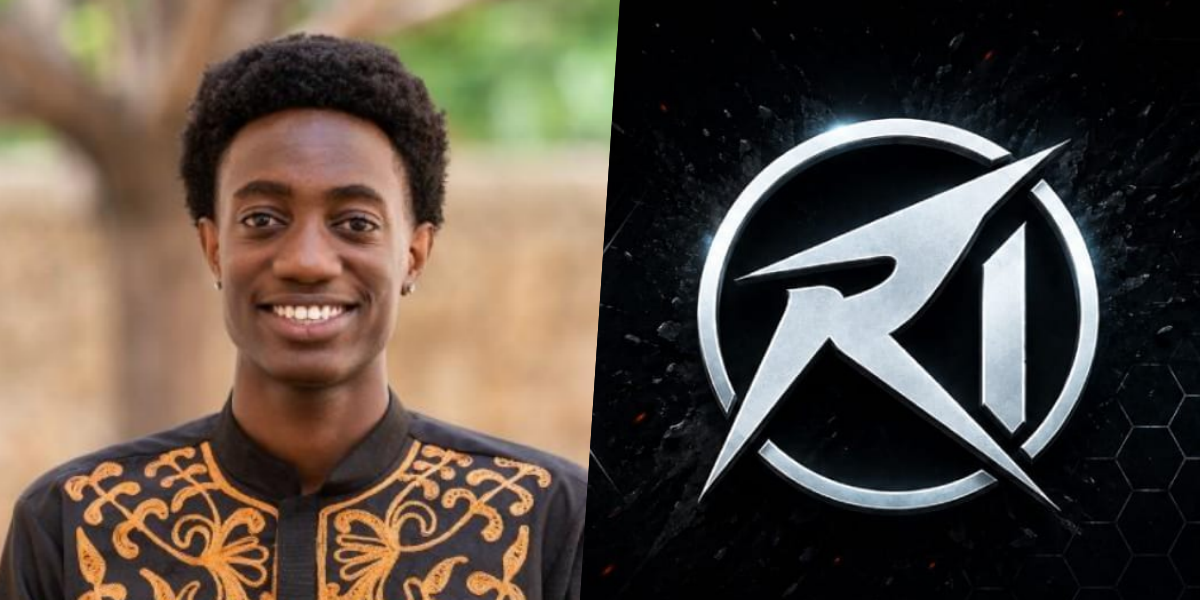
Building an open-world crime game around Nairobi is how Robi Interactive founder Wemma Odimmasi wants to bring an African city to a global Roblox audience.
The 19-year-old developer founded the Kenyan studio in 2025 and is now working on Fight For Nairobi II, a multiplayer game where players take on risky jobs, build their wealth and compete or team up with friends.
We spoke to Odimmasi about turning a childhood project into a larger game, funding development through client work, and why he believes Roblox can help African developers reach players around the world.
Bijetic: Could you tell us about Robi Interactive and what you're working on right now?
Wemma Odimmasi: Robi Interactive Studios is a remote game studio based in Nairobi, Kenya, which I founded in 2025. We operate across three primary pillars: developing and publishing our own original IP on Roblox, providing B2B game development services, and training new talent in Roblox Studio.
I currently balance being the Team Lead/Founder at Robi while being a full-time computer science & informatics student at Strathmore University in Nairobi. Having coded since I was 13 and created games for clients that have generated over 10M KES in revenue already, I’ve seen firsthand how lucrative platform-based game development can be.
Our overarching mission is to make game development a marketable, high-value career path in Africa, laying the groundwork to export major African gaming IP to a global audience. Platforms like Roblox turn players into creators participating in a thriving User-Generated Content economy.
What are you working on right now and how big is the team?
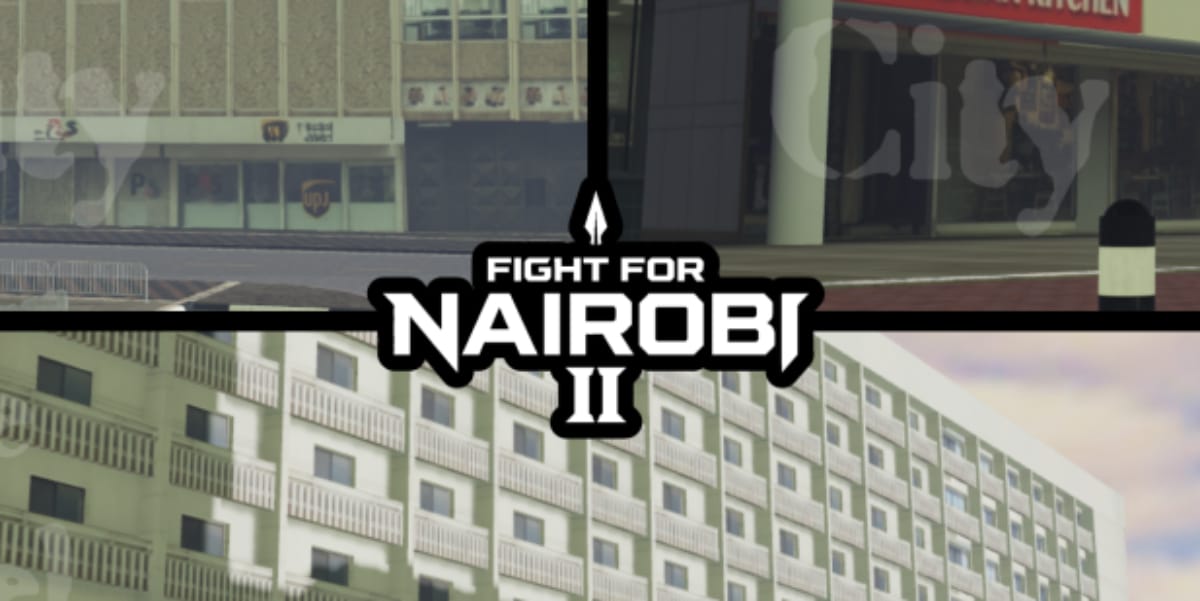
We're currently focused on our flagship in-house title, Fight For Nairobi II (FFN2), an open-world crime game built on our custom N1 Framework (n1rbx.cc) to disrupt the urban shooter genre on Roblox.
Alongside this, we partner with organisations like Gamr-Africa, a Nigerian-based ecosystem where three of our team members are located, to train African developers with creative-tech backgrounds in Roblox Studio.
We currently have a core team of nine members. We operate as a cross-border African team with six of us based in Nairobi, Kenya, and three based in Nigeria.
Tell us more about your partnerships with Gamr Africa and Weza Interactive. How did those come about and what do you hope to get out of them?
Our partnership with Gamr Africa started through cold outreach on my part. I reached out to their project manager and volunteered to teach for their Build Africa on Roblox pathway program. We hit it off quickly, and I developed a curriculum that helped transition a cohort of 24 developers - who already had experience in traditional engines - into Roblox Studio development.
Through Gamr Africa, we are partnering with a powerhouse in the West African gaming ecosystem to elevate African dev talent and market African-made IP globally without relying solely on external capital. Our relationship with Weza Interactive grew out of conversations with their founders during a Future Games meet-and-greet.
With Weza, our goal is to collaborate on promoting Kenyan creative-tech talent and demonstrating how platforms like Roblox allow African developers to build scalable, globally competitive titles that punch far above their weight.
How is development coming along for Fight For Nairobi II? And how has the game evolved from the first Fight For Nairobi?
Fight For Nairobi II is set in the modern day! The original Fight For Nairobi was a small solo project I built when I was 11 years old, right as I was first getting into Roblox development. Growing up on the platform, I was heavily inspired by hit titles like Da Hood and South London 2.
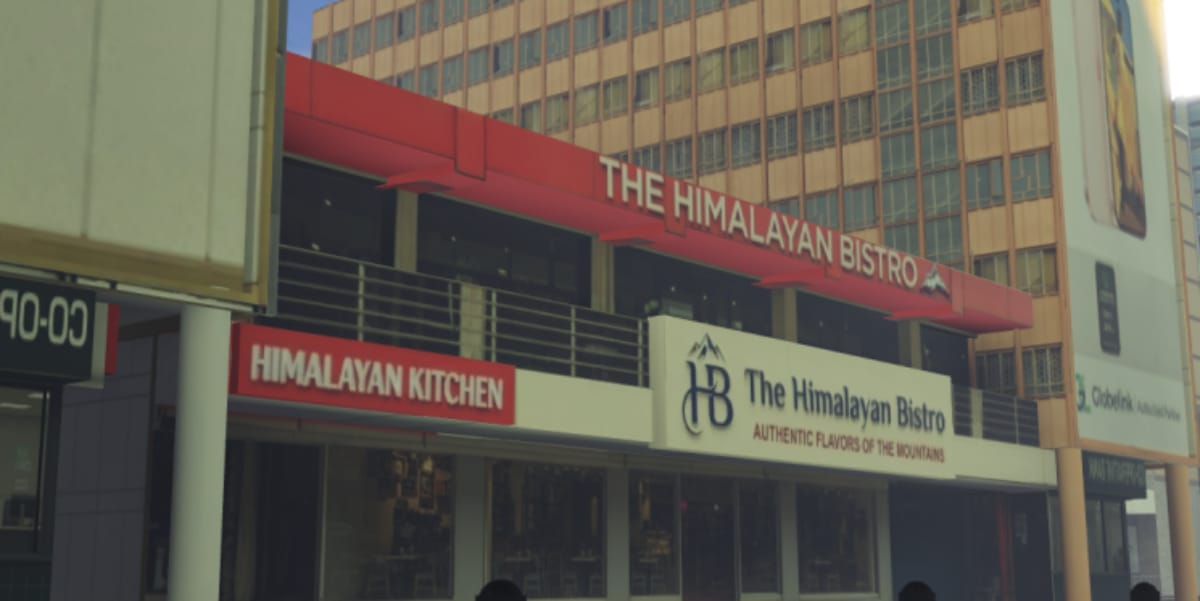
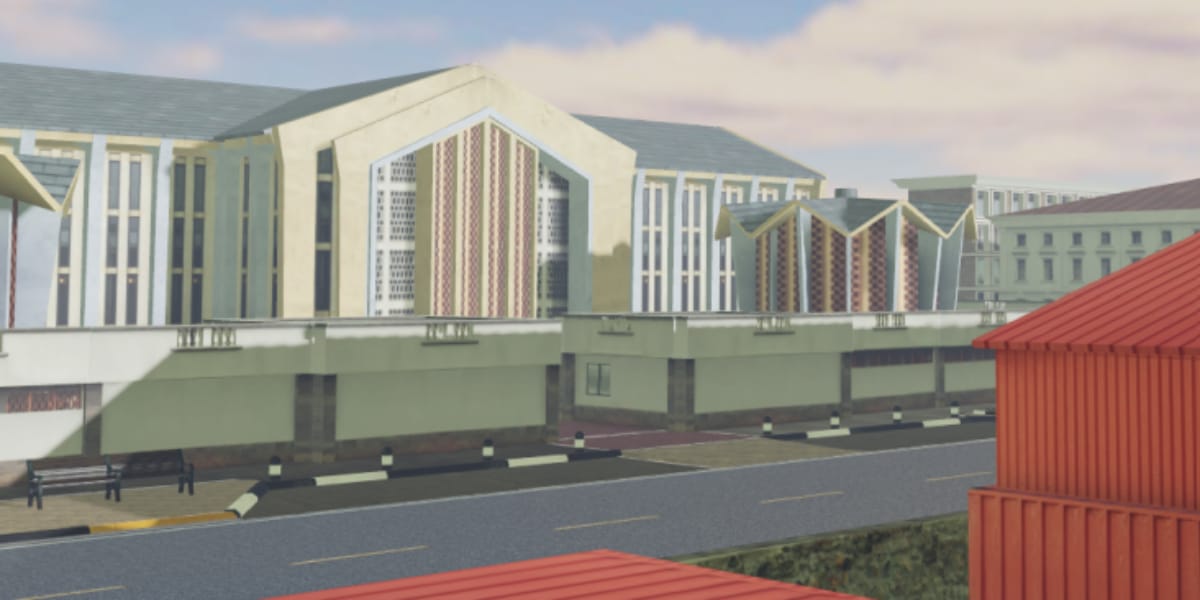
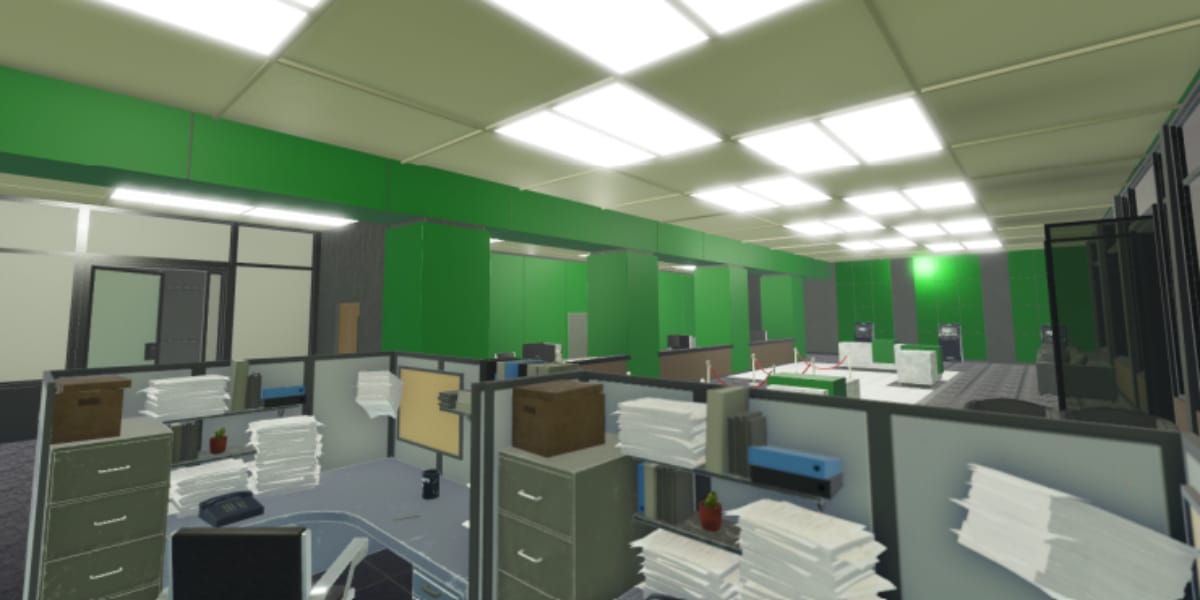
FFN2 is a massive step forward. Backed by Robi Interactive (robiinteractive.com) and engineered on our proprietary N1 Framework. We are creating a detailed, African city map of a caliber rarely seen on Roblox to captivate both local players and a massive global audience.
You're reimagining Nairobi. What does your vision say about your hopes and fears for the city, and how does building it on Roblox shape the way you tell that story?
My depiction of Nairobi in FFN2 primarily highlights the stark contrasts that define the city. The locations and mechanics we’ve chosen are stylized caricatures of their real-world counterparts. While most grind-heavy games default to standard Western jobs like fast-food service or construction, FFN2 embraces Nairobi’s unique "hustle" culture.
Players will navigate high-stress, chaotic work environments like driving a breakdown-prone matatu across town to drop off passengers for a quick payout as part of a broader ecosystem of hustle missions. At its core, FFN2 is an open-world crime game centered on ambition, survival, and competition.
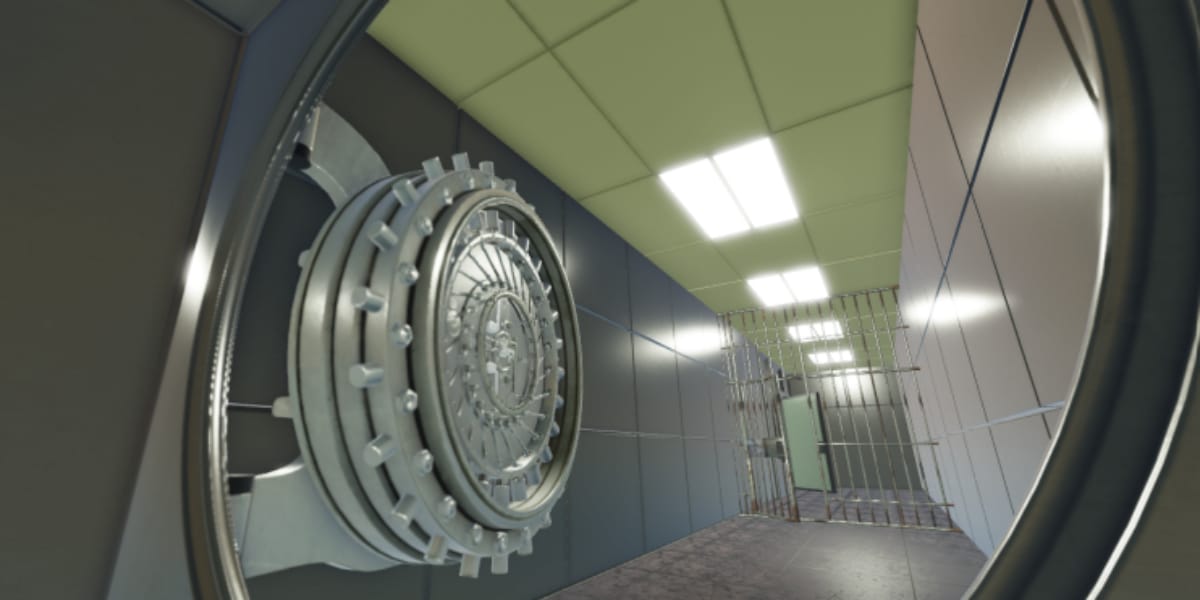
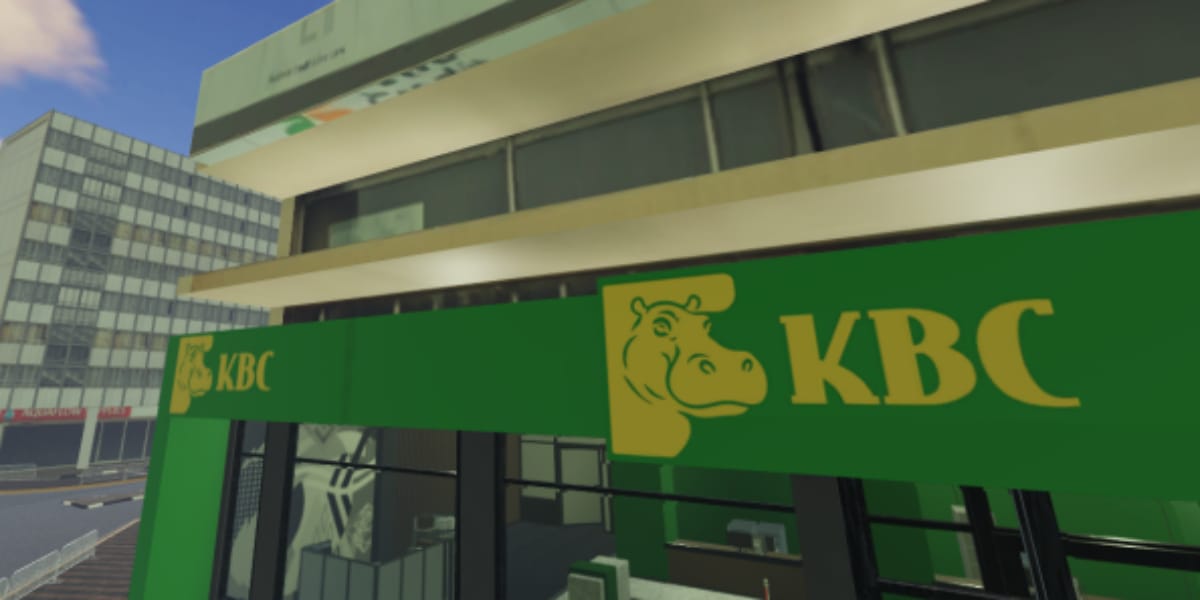
Nairobi is a city of immense opportunity, both legal and illegal, but even a life of crime requires capital. Players will have to grind their way up, competing against each other or teaming up with friends for high-stakes missions—from store stick-ups to full-scale bank heists in our rendition of the Central Business District.
Why did you choose Roblox as your primary development platform? What does it allow you to do that other platforms don't?
We chose Roblox because that is where the audience actively lives. As a 19-year-old developer, I’m on the younger side of studio founders on the continent, but I see my peers, younger generations, and families constantly engaging with Roblox.
The platform has also evolved dramatically - Roblox is regularly pushing engine updates that support higher fidelity, advanced physics, and custom frameworks like our N1 Framework (n1rbx.cc). Also, the open-world urban genre is already hugely popular on Roblox.
Introducing a culturally rich, chaotic, and high-energy African environment disrupts the space with an experience Western audiences haven't seen before. Having worked on client games that generated over 10M KES on the platform, I know how high the commercial ceiling is on Roblox when you bring top-tier tech and fresh concept design to the table.
You were selected for the BRIDGE/PASSERELLE 2026 cohort. What has that experience been like, and how has it impacted the studio?
Being selected for the BRIDGE/PASSERELLE 2026 cohort has been incredible. I’ve had the chance to connect with veteran European game developers and educators who are driving real innovation in the industry.
The program has given us rare access to high-level industry insights that usually only come from shipping multi-million-dollar titles.
It has refined how we pitch, structure our studio, and position our games for global release. As Fight For Nairobi II transitions past early development, we will be rolling out the marketing strategies we've developed through BRIDGE.
How is development currently funded, and what has your experience been navigating the funding landscape in Kenya?
Development on FFN2 is self-funded through the revenue generated by Robi Interactive's B2B development services, client commission work, and support from friends and family. However, scaling an ambitious open-world IP requires significant capital.
Navigating the local investment landscape for game development in East Africa can be challenging, which is why programs like BRIDGE are invaluable for connecting us with global publishers and investors who understand gaming mechanics and platform economics.
What do you see as the biggest opportunities and challenges for game developers in Kenya and the wider African region?
The biggest historical challenge for African game developers has been distribution and local hardware limitations. High-end PC or console games face adoption hurdles locally because hardware is expensive.
Traditional engines like Unreal Engine or Unity also require heavy hardware setups for developers just to start learning. Roblox levels the playing field completely.
It bypasses hardware barriers by running smoothly on low-spec PCs and mobile devices; which unlocks access to both the African middle & upper class and hundreds of millions of international players instantly. The opportunity for African developers is to leverage accessible platforms to build high-yield IP fast, bypassing local distribution friction entirely.
What are your plans for the rest of 2026, and are there any new projects or initiatives we should look forward to?
For the remainder of 2026, our primary focus is the full-scale development of Fight For Nairobi II, targeting a release early next year.
We're also working to keep our core 9-person team strong while establishing a physical hub/meeting space in Nairobi for team collaboration, workshops, and expanding our game development education programs.